
Sustainability is a huge topic in marketing. A quick search on LinkedIn draws up tons of posts talking about #sustainability. Organisations are rethinking current business models and adopting newer, more sustainable business processes. And then in 2019, we see the rise of plant-based meats.
Over the next few months, we see plant-based food products gain traction in the market. Suddenly, every F&B chain is on it.
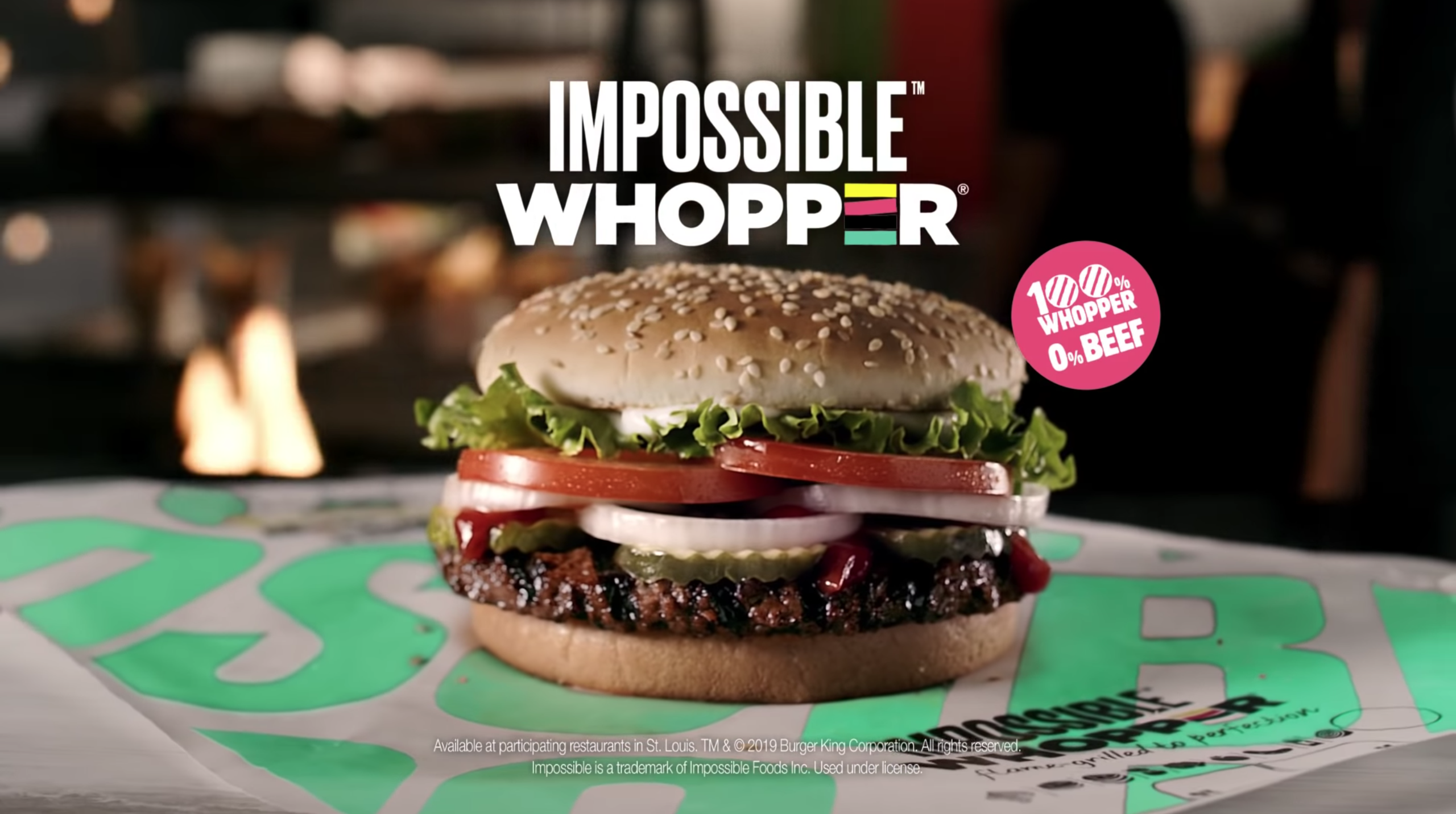
Picture Credit: Burger King. Featuring the Impossible Whopper.

Picture Credit: Mos Burger. Featuring the Impossible Burger.
So much for impossible.
No doubt, large corporations going towards sustainability can be beneficial for the environment as a whole. But, what if these are mere marketing hypes?
Plant-based Meats
Plant-based meats are commonly marketed as meat alternatives with lesser environmental impact. Furthermore, they allegedly taste as good as the real deal without compromising on nutritional value.
According to a study by the University of Michigan, the Impossible Burger uses 87% less water, 96% less land and produces 89% less fossil fuels emissions compared to a quarter pound of ground beef. The development of these meat substitutes can potentially increase public benefits because of its reduced land, water and energy use.
Sustainability or Marketing?
While there is some truth in the claims, there are concerns over the carbon footprint of producing plant-based meats. In fact, these meat alternatives release the same amount of emissions as chicken. That is about five times higher than that of legumes and vegetables. The carbon footprint of plant-based meats are only second to beef.
Other than carbon footprint, plant-based products are not as healthy as marketed.
For one, they are highly processed foods. Soy leghemoglobin (heme) is the miracle ingredient in plant-based meats that recreates the taste and texture. It is genetically modified by manipulating the DNA of soybean and yeast.
Plant-based meats, healthy as they sound, make you fat. Impossible, you say? In a 2019 study by National Institutes of Health, heavily processed foods can cause overeating and weight gain.
Why is it still gaining popularity?
While marketed as “plant-based”, you will be surprised that the target audience of these ads are meat lovers. Many campaigns show videos and creatives of sizzling meats on the grill.

Picture Credit: Impossible Foods
Furthermore, campaigns are based largely on the concept of sustainability and the environmental benefits of abstaining from meat.

Picture Credit: Impossible Foods. Featuring benefits of plant-based meats.

Picture Credit: Impossible Foods. Plant-based meats is a solution for pollution.
Enticing audience with sustainability and social responsibility works because that is the hype today.
Market research company Mintel found that more consumers are avoiding animal products for environmental reasons. This trend is more apparent with those aged between 18 and 34 years old.
Furthermore, the concept of healthy eating is also growing among consumers. Google searches for “organic food” has remained stable in the past 12 months. Southeast Asia markets Philippines and Singapore are among the top 5 countries interested in this topic.

Interest in search term “Organic Food” by region.
The industry bets on the chance that meat lovers who are conscious about the environment will take the leap of faith and convert to plant-based meats.
Conclusion
Sustainability is a global topic and many brands are in search of opportunities to lead this conversation.
Plant-based meats may be heading towards sustainability, especially in animal welfare and public benefits. However, the question to whether they are legitimate, or just another marketing hype remains debatable.


