
I recently had a conversation with a marketer boasting a decade worth of marketing experience. In our conversation, we discussed the potential in meme marketing and he raised concerns of it being a form of cyber bullying.
In Singapore, cyber bulling is defined as the following:
“Any behaviour performed through electronic or digital media by individuals or groups that communicate hostile or aggressive messages intended to inflict harm or discomfort over time against a victim.”
What are Memes?
Memes, as we have come to perceive them today, are visual representations of feelings, opinions, ideas or plain jokes.

It’s not just YouTube. Progress bars on Facebook videos are beginning to look like this too.
There are many genres of memes. The history of memes started off with the well-loved classics – Bitch Please, Y u no, and y u do dis memes.
![Bitch, Please. Meme - Niko // Response to Living~Stone by Niko [www.nikosound.com]](https://i1.sndcdn.com/artworks-ehSgWy1loPITfsPz-5y9odQ-t500x500.jpg)

At their peak, these memes were often used as responses to topics of interests or latest happenings. Since it’s summer right now in Singapore, here’s one OG meme for you.

Picture Credit: Quick Meme
As the market progresses, classic memes evolved to comic memes. Just as the name suggests, these memes tend to have short storylines before delivering the punchline.
Picture Credit: Reddit
Finally, we have the trenders. These memes usually trend for short periods of time and burn out extremely fast. The reason for their short life span is due to the fact that they are context based. Generally, these memes are created to be part of a bigger conversation. When the conversation has lost its traction, you’ll hardly see anyone use them again.
These memes take shape when celebrities or (in)famous people do or say something (usually silly), and is caught by the public.
How Do Memes Result in Cyber Bullying?
I like to think that memes were created in good nature, with the sole intention to entertain. Unfortunately, that is not always the case.
Social media, or the internet in general is a free market. There are people creating and consuming content all the time, and that is beyond control. Not even if you have 10 years worth of marketing experience.
As memes gained popularity, a distasteful genre of memes flooded the media. These memes often featured pictures of real people alongside captions of insulting nature. This kickstarted a trend of cyberbullying with memes. Though not as common today, we still see some instances of such memes.
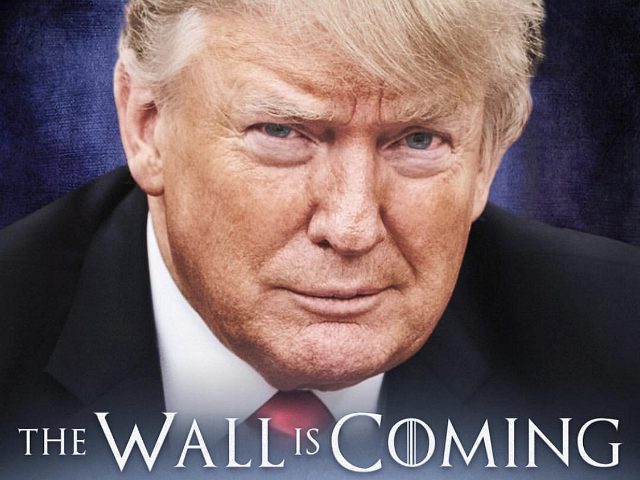
Picture Credit: Breitbart
No doubt, ex-President Donald Trump had been a controversial character. The public created many memes to poke fun at his behaviour and speeches.
It is interesting to note that the creators of these memes were end users, not corporate marketers. Before we explore the possibility of cyber bullying, what does the brand want to market with the meme above? Does it even make sense for big corporate brands to use such memes?
The Bottomline in Meme Marketing
As consumers of memes, we may lack the sensitivity to feel for the victims in the memes we consume. From a corporate perspective, however, we can do our due diligence to curate the type of content we share.
Meme marketing is not cyber bullying if you create content with tact. If anything, memes are great mediums to share ideas and opinions, and join popular conversations. In fact, many brands have seen great success in utilising memes to reach out to consumers.
Case in point: Netflix

Picture Credit: PPC Protect
The bottomline in memes is entertainment value for consumers. From a corporate perspective, it is up to your team of talented marketers to curate memes and align them with your brand identity. Instead of blaming meme marketing for cyber bullying, maybe take the effort to relook at how you can generate positivity in meme marketing?


